KRIS
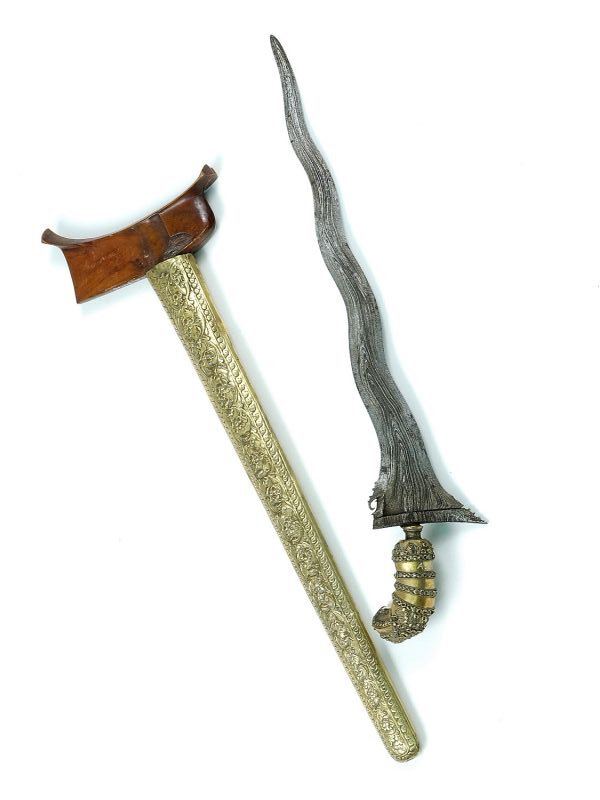
The Kris is an asymmetrical dagger with distinctive blade-patterning achieved through alternating laminations of iron and nickelous iron (pamor).[4] Krises are most strongly associated with the culture of Indonesia. The kris is famous for its distinctive wavy blade, although many have straight blades as well. Keris is also a symbol of power and of ethnic pride and in most communities making up the Malay Archipelago (currently southern Thailand, southern Philippines, Brunei, Malaysia, Singapore and Indonesia.) – home of Pencak Silat martial arts.
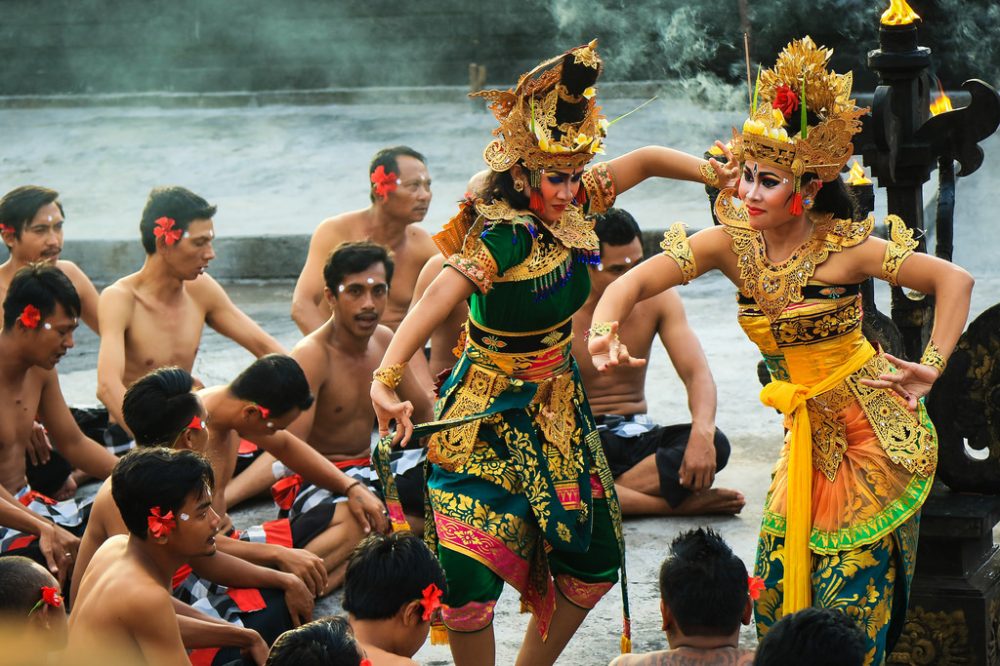
Kris have been produced in many regions of Indonesia for centuries, but nowhere—although the island of Bali comes close—is the kris so embedded in a mutually-connected whole of ritual prescriptions and acts, ceremonies, mythical backgrounds and epic poetry as in Central Java.[5] As a result, in Indonesia the kris is commonly associated with Javanese culture, although other ethnicities are familiar with the weapon as part of their culture, such as the Balinese, Malays, Sundanese, Madurese, Banjar, Bugis, and Makassar.
A kris can be divided into three parts: blade (bilah or wilah), hilt (hulu), and sheath (warangka). These parts of the kris are objects of art, often carved in meticulous detail and made from various materials: metal, precious or rare types of wood, or gold or ivory. A kris’s aesthetic value covers the dhapur (the form and design of the blade, with around 60 variants), the pamor (the pattern of metal alloy decoration on the blade, with around 250 variants), and tangguh referring to the age and origin of a kris.[6] Depending on the quality and historical value of the kris, it can fetch thousands of dollars or more.
Both a weapon and spiritual object, kris are often considered to have an essence or presence, considered to possess magical powers, with some blades possessing good luck and others possessing bad.[6] Kris are used for display, as talismans with magical powers, weapons, a sanctified heirloom (pusaka), auxiliary equipment for court soldiers, an accessory for ceremonial dress, an indicator of social status, a symbol of heroism, etc.[6] Legendary kris that possess supernatural power and extraordinary ability were mentioned in traditional folktales, such as those of Empu Gandring, Taming Sari, and Setan Kober.
In 2005, UNESCO gave the title Masterpiece of the Oral and Intangible Heritage of Humanity to the kris of Indonesia. This weapon was also featured in the American bladesmthing competition, Forged in Fire (TV series)‘s season 6 episode 7.
source : https://en.wikipedia.org/wiki/Kris
 THE DIVERSITY CULTURES OF INDONESIA